

In a world that often demands quick reactions and shallow understanding, how often do we truly get the chance to step back and critically examine our reality? How often do we challenge the basic assumptions that shape our understanding of the world and the events that unfold around us? These questions aren’t exclusive to one aspect of life but have universal relevance.
I found myself grappling with these questions through my work in bridge-building amid the complex Palestinian-Israeli conflict, where dialogue facilitation played a pivotal role. I vividly recall my first encounter with a certified dialogue facilitator at a conference. They demonstrated the power of active listening by facilitating a conversation between two women from opposing sides of a political conflict. It was a revelation.
What struck me most was the facilitator’s ability to keep participants fully engaged in the conversation. Typically, our natural inclination, or at least mine, is to mentally argue with perspectives we don’t agree with while pretending to listen. It wasn’t until the facilitator compelled me to truly pay attention and be fully present that I discovered the layers of meaning hidden in the dialogue.
Genuine listening, even to viewpoints we don’t align with, can have a profound impact. It allows us to delve beneath the surface of words and ideas to understand the emotions and motivations behind them. By temporarily experiencing the world through someone else’s lens, we can undergo a transformation, altering our fundamental assumptions and creating space for new thoughts, feelings, and interpretations.
It’s crucial to note that understanding another perspective doesn’t equate to endorsing it. Rather, it broadens our perspective and enables a more comprehensive understanding of the world.
Two years ago, I joined Tech2Peace, attracted by its inspiring mission of building a brighter future in a troubled region. Our innovative programs cater to college-aged students, offering tech and entrepreneurship training alongside facilitated dialogue. This unique blend not only equips participants with valuable skills but also fosters genuine dialogue, deepening mutual understanding. Through this process, we cultivate a resilient community of leaders who embody a more hopeful Middle East.
When October 7th brought despair and uncertainty, we leaned into our strength at Tech2Peace. Instead of succumbing to hopelessness, we offered a platform for meaningful connection. In the midst of profound emotions, from rage to fear and anger to hopelessness, our alumni drew upon their dialogue skills. With the help of our professional staff, they navigated difficult conversations, truly heard one another, and addressed challenging situations constructively, without succumbing to fear.
Tech2Peace provides a unique opportunity to step back and critically assess our reality. It’s a place where we unravel narratives that have long guided us, making space for new possibilities to flourish.
We’re returning to our shared pursuit of tech and entrepreneurship, acquiring skills side by side, and building a better future. We engage in honest and open conversations as individuals, not as national representatives, knowing that we’ve been heard. We’re forging a path forward, modeling a new reality where we are not bound by our imagination. Together, we’re forging a path forward, modeling a new reality where our imagination knows no bounds. Within our Tech2Peace community, we’ve built a vision, and we’re determined to make it a reality.

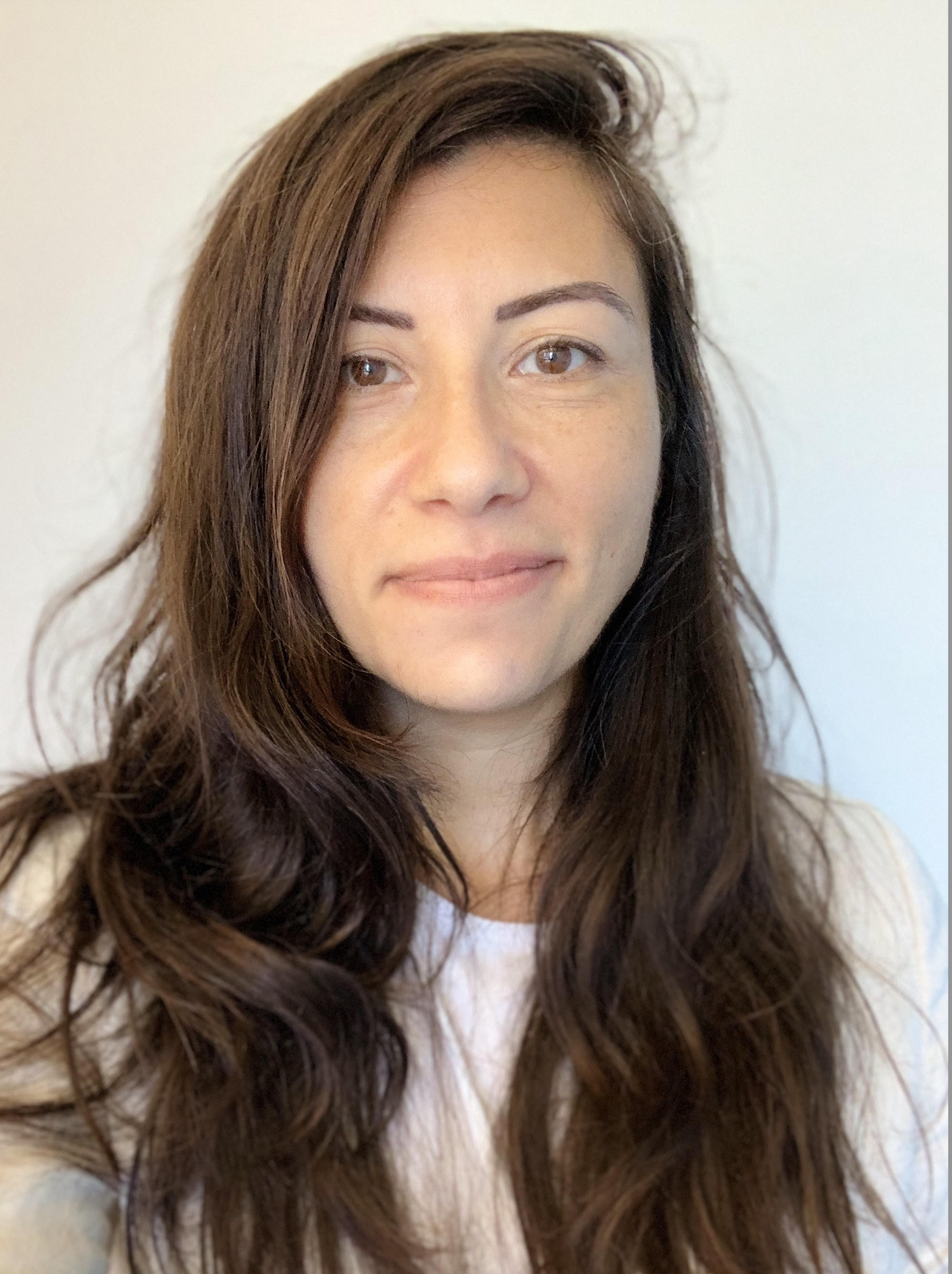
Hela Lahar
Hela Lahar is the CEO of Tech2Peace, a non-profit organization whose mission is to build a network of Israelis and Palestinians that develop the high-tech skills, professional opportunities, and mutual understanding needed to work together towards a brighter future. Prior to Tech2Peace, Hela spent her career building bridges across communities and cultures, both in the middle east and globally. Her previous roles include Acting Executive Director of the OneVoice Movement and the Founding Director of the Center for Israel Education at Columbia University.