
This week, the Democratic Republic of the Congo (DRC) and M23 sign ceasefire monitoring terms in Qatar. The current state of the Syrian-Kurdish ceasefire. Trump administration to take Sudan plan to ‘Board of Peace.’
DRC and M23 Sign Ceasefire Monitoring Terms in Qatar
The government of the Democratic Republic of the Congo (DRC) and the M23 armed group signed an agreement on the terms of reference for monitoring their ceasefire in Qatar on February 2.
The Qatari Foreign Ministry Said “The two parties also renewed their commitment to the ceasefire and the Doha Framework Agreement for Peace signed between them on November 15, 2025, and affirmed their determination to implement all obligations stipulated therein in good faith, in support of the peaceful process.”
Members of the UN Stabilization Mission in the Democratic Republic of the Congo (MONUSCO) and officials from the International Conference on the Great Lakes Region also participated.
The statement on the signing said participants stressed the importance of implementing practical measures to strengthen oversight, verification, and information-sharing mechanisms.
The Current State of the Syrian-Kurdish Ceasefire
Following a deal to integrate the Kurdish Syrian Democratic Forces (SDF) into the Syrian army, announced on January 30, the Syrian army on February 2 entered the northeastern city of Hasakah, previously controlled by the SDF. This was a first step toward implementing the US-backed ceasefire agreement.
The recent deal, which the US has called a historic milestone, includes the phased integration of Kurdish fighters with government forces. It also includes a brigade for forces in the SDF-held town of Kobani, or Ain al-Arab, which will be affiliated to the state-controlled governorate of Aleppo.
SDF commander Mazloum Abdi told local media that the mission of the security forces entering the security zones of both Hasakah and Qamishli would be only administrative. However, Noah Bonsey, a senior adviser with the International Crisis Group think-tank, told Reuters that statements from both sides hinted at gaps in how the integration will work out, including for “…what continuing role SDF elements play on the ground, how much autonomy they retain, and how significant and extensive government command and control is.”
Trump Admin to Take Sudan Plan to ‘Board of Peace’
US Senior Advisor for Arab and African Affairs Massad Boulos announced on February 3 that the Trump administration plans to take a proposed Sudan peace plan to President Donald Trump’s ‘Board of Peace.’
Diplomats familiar with the initiative say the plan aims to end fighting, while also resolving long-standing issues around military and security reform. Boulos said the “comprehensive peace plan” has been agreed to by members of the diplomatic group known as the ‘Quad.’ He added that the UN has established a mechanism for withdrawing forces from key cities in Sudan so civilians can return safely, and that the parties have agreed in principle to begin withdrawals.
Sudan’s civil war born out of a power struggle between Sudan Armed Forces (SAF) leader Abel Fattah al-Burhan and RSF leader Mohamed Hamdan Dagalo, known as Hemedti. The conflict has left the country in what US Secretary of State Antony Blinken has described as the “world’s largest humanitarian crisis, leaving over 25 million Sudanese facing acute food insecurity and over 600,000 experiencing famine.”
Keywords: DRC, Congo, Kurds, Syria, Sudan, Board of Peace, peace, conflict, conflict resolution, Trump

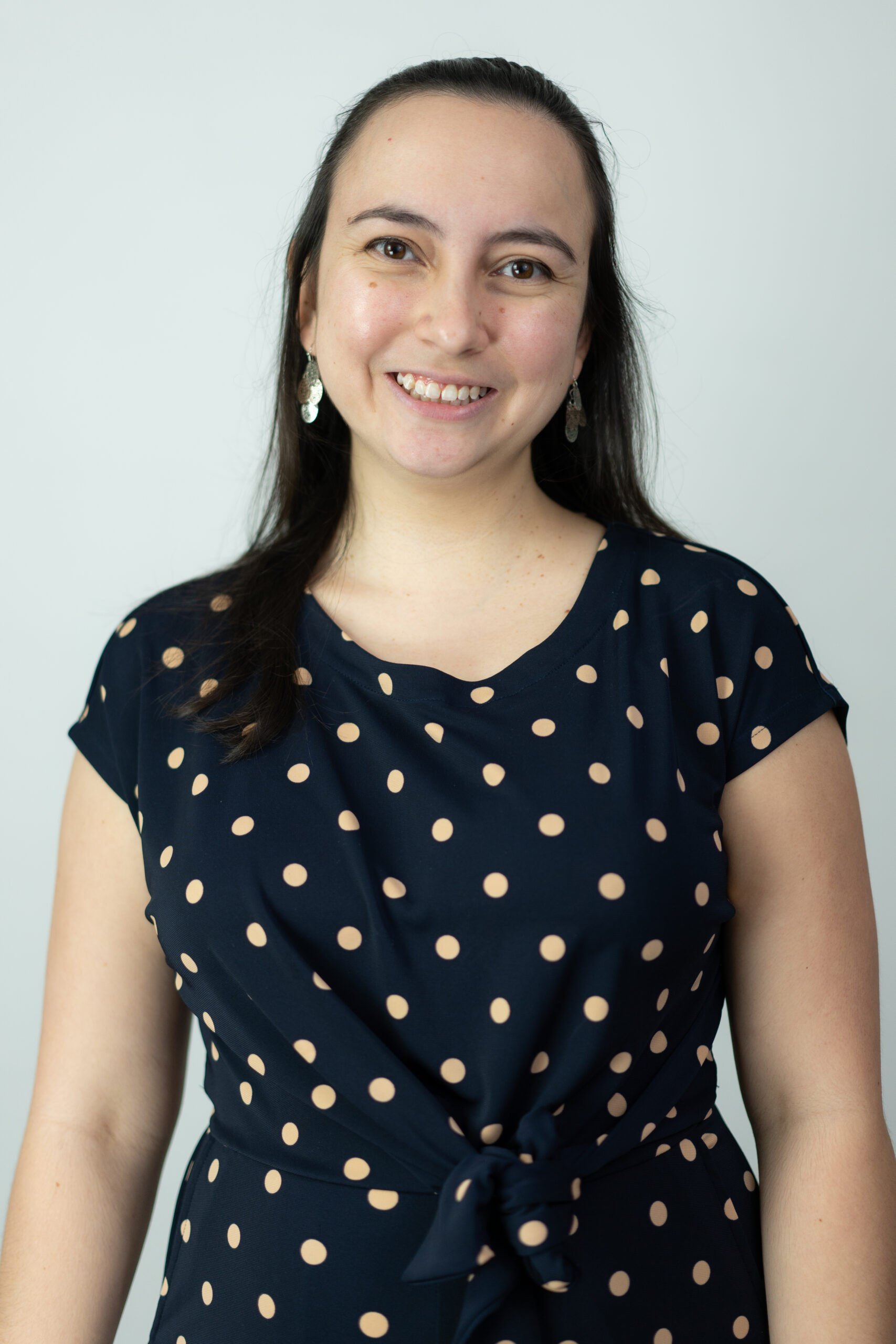
Tara Abhasakun
Tara Abhasakun is Peace News Network (PNN)'s managing editor. She is journalist based in Christchurch, New Zealand, and formerly in Bangkok, Thailand. She has reported on a range of human rights issues involving youth protests in Thailand, as well as arts and culture. Tara's work has appeared in several outlets, including Al Jazeera and South China Morning Post.


 and M23 sign ceasefire monitoring terms in Qatar. The current state of Syria ceasefire.)