
Following the October 12, 2025 presidential election in Cameroon, waves of protest have swept across the nation, with young people at the forefront of demonstrations contesting the results. From Douala to Yaoundé, Bafoussam to Bamenda and Garoua, thousands of demonstrators have taken to the streets demanding transparency about the ballot box results reported in the media. At least four people have been killed during protests in Douala, according to regional governor Samuel Dieudonné Diboua.
Amidst the rising tension, peace activists, and media practitioners from across the country are calling for restraint, urging the media and youth to play constructive roles in maintaining peace and preventing further violence.
Youth as Drivers of Peace
According to Menai Felix Yengo, Manager of Babungo Community Radio in Cameroon’s Northwest Region, young people have immense potential to shape the country’s peacebuilding efforts. He told Peace News Network (PNN) that Cameroon’s youth can play a “vital role” in maintaining peace and preventing election-related violence by being actively engaged in their communities.
“They can promote peacebuilding and conflict resolution by organizing community-based initiatives, such as peace campaigns, cultural events, and intergenerational dialogues,” Yengo said.
Yengo emphasized the importance of responsible use of social media, noting that, by leveraging their social media skills, young people can also disseminate accurate information, counter misinformation, and promote peaceful coexistence.
Major challenges for youth in the post-election climate include fake news posts, hate speech against fellow citizens from opponents’ parties on social media, and information posted to incite hatred before and during the elections.

He encouraged young people to collaborate with community leaders to address conflict triggers. “Youth can work with local leaders and authorities to identify potential flashpoints and develop strategies to mitigate conflicts. By taking ownership of peacebuilding efforts, Cameroon’s youth can help create a more stable and peaceful environment for elections,” Yengo urged.
Media’s Responsibility in Peacebuilding
The role of the media has also come under the spotlight. Yengo stressed that journalists must remain objective and verify their information before publishing. “The media has a critical role to play in promoting accurate information and discouraging the spread of fake news and misinformation online.”
As a media practitioner, he believes it’s their responsibility to verify information before disseminating it to the public, saying the media should prioritize fact-checking and collaborate with organizations that specialize in verifying information.
He added that the media must promote balance and understanding by providing context and balanced reporting, giving voice to diverse perspectives and opinions. By doing so, he said, they can empower citizens to make informed decisions and reduce the spread of misinformation.
Challenges for media in the post-election climate include a lack of editorial independence, partisanship by some media practitioners, lack of protection from the authorities, and also intimidation and attacks from thugs against the media .
Yengo recommended that media outlets take “proactive measures” to monitor and counter fake news, while promoting media literacy programs to help citizens critically evaluate online information. Beyond reporting, Yengo said journalists can also help build peace through engagement and education.

He further highlighted that one of the best ways to redirect youth energy away from unrest is through empowerment. “One of the most effective strategies for turning youth energy away from protest agitation toward peacebuilding is to provide alternative platforms for expression and engagement.”
He added, “This can include supporting youth-led peacebuilding initiatives, providing training and capacity-building programs on conflict resolution and peacebuilding, and creating spaces for youth to engage in constructive dialogue and decision-making processes.”
Yengo said that by empowering young people with skills, knowledge, and opportunities, the media can redirect their energy toward positive and constructive endeavors. Additionally, media can play a crucial role in amplifying youth voices and promoting their peacebuilding efforts.
Voices from Youth Peace Advocates
Peuchuqui Laurata, a Cameroon-based peace advocate, urged young people to be responsible and truthful when sharing information online. “Youth can maintain peace by not sharing fake news because hate speech goes a long way to incite violence,” she told PNN.
She called on journalists to ensure that their reporting contributes to calm rather than chaos. “The media’s major role is to just pass across information in a way that does not incite violence in the society. Any information that is going to cause conflict or division, especially at this period, should be kept in the fridge.”
Laurata also reminded citizens that official election results come from legitimate institutions, not the media. She expressed understanding of the frustrations leading to protests, but appealed for non-violence. Laurata said it’s important to encourage young people to protest peacefully and “tell them to always ensure that their security comes first.”
Condemning destruction of property, Laurata added, “You can actually protest and you can pass across your message without being violent. Violence has never solved anything.”
Calls for National Unity
Political and civil society leaders have also joined the call for peace. The Cameroonian Party for National Reconciliation (PCRN) released a statement signed by its National Spokesperson, Christian Ndjock Ndongo, on October 28, 2025, urging calm and dialogue in the wake of the post-election violence.
The statement read, “Each loss is a wound to the nation,” and called on all Cameroonians to “embrace restraint, dialogue, and national unity. Nothing can justify hatred or revenge between the children of the same nation.”
The PCRN further urged security forces to uphold professionalism. “The Defense and Security Forces must act in strict compliance with the Constitution and the laws of the Republic, protecting citizens rather than dividing them,” the statement declared.
The communiqué also appealed to government officials to listen to citizens’ concerns. “To govern is to listen,” it said, emphasizing that, “the true strength of leadership lies not in repression but in its ability to meet the legitimate expectations of the sovereign people.”
PCRN reaffirmed its commitment to a Cameroon of peace, justice, and truth, remaining faithful to its principles of defending life and the dignity of every citizen.
Community Leader Advocates Peaceful Expression
Echoing these sentiments, Reverend Papa Billie, a respected elder and Community leader, addressed Cameroonians directly, appealing for calm and restraint in a video clip shared on social media.
“I want to address the people of Cameroon from north to south and north to west. As I said before, I want to say it again: No violence, no burning, no breaking because you need those infrastructures, they belong to you,” he said.
He further urged demonstrators to avoid carrying weapons or harmful objects during protests. “When you come on the street do not carry stone, don’t carry any instrument in your hand, maybe only the flag of the nation. Peace is coming to Cameroon.” he said.
He cautioned Security agencies against the use of force against their fellow citizens as he called for the unity of the country.
As Cameroon grapples with post-election tensions, voices from across generations from community leaders to journalists and peace advocates continue to highlight one central message: Peace must prevail.
Keywords: Cameroon, election, Cameroon elections, election violence, conflict, conflict resolution, peace, youth, media, journalists, journalism, peace journalism, Douala

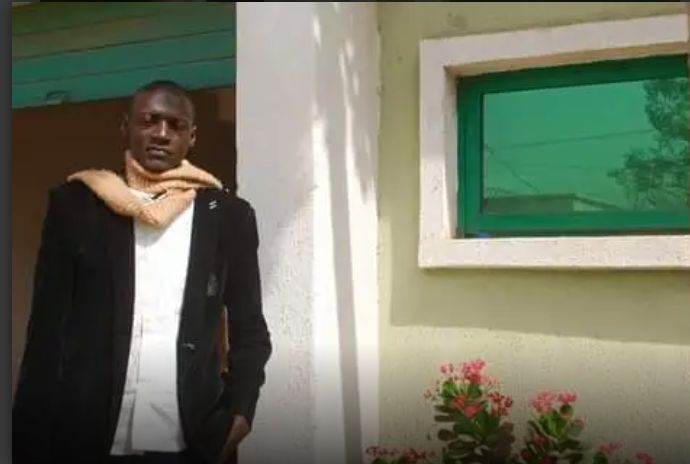
Mohammed Ibrahim
Mohammed is a multimedia freelance journalist in Kaduna State, Nigeria. He graduated from the International Institute of Journalism Abuja. In 2016 Mohammed received the Courage in Journalism Award for his investigative reporting, from the Africa Media Development Foundation.