

The arrival of more than 1 million Rohingya refugees in Bangladesh since 2017 has transformed the social and economic landscape of Cox’s Bazar district. International attention has largely focused on the urgent humanitarian needs of displaced populations living in camps. Yet the experience of the surrounding host communities who share land, resources, and economic spaces with refugees, reveals a need for international organizations to engage more deeply with host and refugee communities in Cox’s Bazar.
In places such as Teknaf, a municipality in Cox’s Bazar district, local residents say the pressure on livelihoods and social relations has grown steadily in recent years. Rising living costs, shrinking day, labor opportunities, and rumors about unequal aid distribution have contributed to tensions between refugees and host communities.
Abdur Rahim, who helps coordinate a small network of community volunteers in Teknaf, recalls how these concerns began to intensify during the early years of the Rohingya influx.
“Rumors spread quickly that refugees were receiving large amounts of assistance while local people were being left behind,” Rahim explained. “At the same time, prices for basic goods went up and work opportunities became fewer.”
Recognizing the growing tensions, Rahim and other volunteers in December 2025 began organizing informal discussions between representatives from refugee and host communities. The meetings, which continue to this day, were not always easy.
“At first the conversations were tense, sometimes confrontational,” he said. “But gradually people began to understand each other’s situation.”
Over time, these dialogues helped produce practical compromises, informal arrangements about market access, more open communication between communities, and local channels for resolving disputes before they escalated. “Peace is not constructed in workshops,” Rahim said. “It develops through relationships.”
Initiatives like these often rely on the support of international aid programs. Donors and development agencies provide funding for youth initiatives, mediation training, civic education programs, and early warning systems designed to identify emerging conflicts. Without such external support, many local organizations would struggle to sustain their activities.
International agencies also bring technical expertise and organizational resources that grassroots groups cannot always mobilize independently. Yet many local peacebuilders say the current system contains structural imbalances that limit the effectiveness of these efforts.
Project frameworks are frequently designed in distant headquarters before meaningful consultation takes place with the communities where the programs will be implemented. By the time local actors are involved, key elements, objectives, indicators, and timelines, are often already fixed.
According to local practitioners, this reflects the realities of the global development system. International organizations typically must submit detailed proposals to donors months in advance, including measurable outcomes and strict implementation schedules. However, community-level conflicts rarely unfold in predictable ways.
In one area of Cox’s Bazar district, tensions initially described as religious were later found to be rooted primarily in economic competition. In another locality, youth frustration that appeared to signal radicalization was closely tied to unemployment and the lack of meaningful participation in local governance.

“When the conflict analysis is too shallow, the solutions also remain superficial,” said one community organizer involved in mediation work in the region. “You end up addressing symptoms rather than the deeper causes.”
Local organizations often find themselves navigating a difficult balancing act between two forms of accountability. Upwardly, they must satisfy donors by demonstrating quantifiable results, such as the number of training sessions conducted or the number of participants reached. Downward, they remain responsible to communities that expect tangible improvements in social relationships and long term stability.
The challenge is that social cohesion rarely produces outcomes that are easily captured in numerical indicators. A breakthrough may appear in subtle ways: a softened tone between rival community leaders, a shared meal after years of mistrust, or the quiet reopening of communication between neighbors.
“These are small shifts, but they are extremely important,” a youth facilitator working in Cox’s Bazar noted. “Unfortunately, they are difficult to capture in project reports.”
Short funding cycles further complicate the work. Many peacebuilding initiatives operate on grants lasting two or three years, while trust-building processes often require much longer. “Trust in communities takes time,” the facilitator said. “Sometimes just when relationships begin to improve, the project funding ends.”
When funding concludes, carefully cultivated networks can weaken. Trained mediators may lose the support structures that enabled them to intervene during earlier disputes, even as underlying tensions remain unresolved.
The situation in Cox’s Bazar illustrates both the strengths and limitations of the broader humanitarian response. International agencies mobilized life, saving assistance rapidly following the Rohingya crisis, delivering shelter, food, and medical services to hundreds of thousands of displaced people.
However, the speed and scale of this response left limited room for consultations with host communities ahead of time. As a result, concerns about rising living costs, pressure on local infrastructure, and competition for jobs were not always prioritized during the early stages of humanitarian programming. For many residents, this created a sense of neglect that continues to shape community perceptions today.
Another challenge involves the use of standardized peacebuilding models imported from other contexts. While international frameworks provide useful tools and guidelines, practitioners caution that strategies successful in other countries cannot simply be replicated in rural Bangladesh without adaptation.
Many local conflicts are deeply entangled with political party rivalries, land governance disputes, and longstanding social hierarchies. These dynamics require responses grounded in local knowledge and relationships.
Importantly, grassroots actors emphasize that their critiques are not intended as rejection of international assistance. On the contrary, they stress that global partnerships remain essential.
Rather than withdrawal, local peacebuilders are calling for deeper collaboration. This includes genuine co-design processes that involve community actors in conflict analysis before project proposals are finalized. They also advocate for more flexible multi-year funding structures that allow programs to adapt to changing conditions over time.
Reducing reporting requirements for smaller grants could also allow community organizations to spend more time on dialogue and relationship building instead of administrative tasks.
The consequences of failing to listen carefully to communities can be significant. Projects developed without meaningful local input risk overlooking grievances or unintentionally reinforcing existing power hierarchies by engaging only prominent gatekeepers.
By contrast, initiatives rooted in community ownership tend to prove more resilient. When local actors shape the design of programs, they are more likely to sustain dialogue mechanisms long after formal project timelines have ended.
As Bangladesh continues to navigate economic pressures, political polarization, and the ongoing humanitarian realities surrounding the Rohingya crisis, the importance of inclusive peacebuilding becomes even more apparent.
International aid remains indispensable. Yet its effectiveness depends not only on financial resources and technical expertise, but also on humility and genuine partnership.
At the end of one community mediation meeting in Teknaf, facilitators closed the session not with a list of performance indicators, but with a series of questions:
Whom should we speak with first?
Which community elders might help defuse tensions?
How can trust be rebuilt, step by step?
The answers to these questions rarely appear in official reports. Yet they form the quiet foundation of social cohesion. For local peacebuilders across Bangladesh, the lesson is clear: Lasting peace cannot be delivered from a distance. It must grow within communities themselves shaped by local realities, and supported by international partners willing to listen before they act.
Keywords: Bangladesh, Cox’s Bazar, Rohingyas, refugees, refugee camps, tension, migration, Teknaf, international aid, humanitarian, peace, conflict, conflict resolution

Sheikh Mehzabin
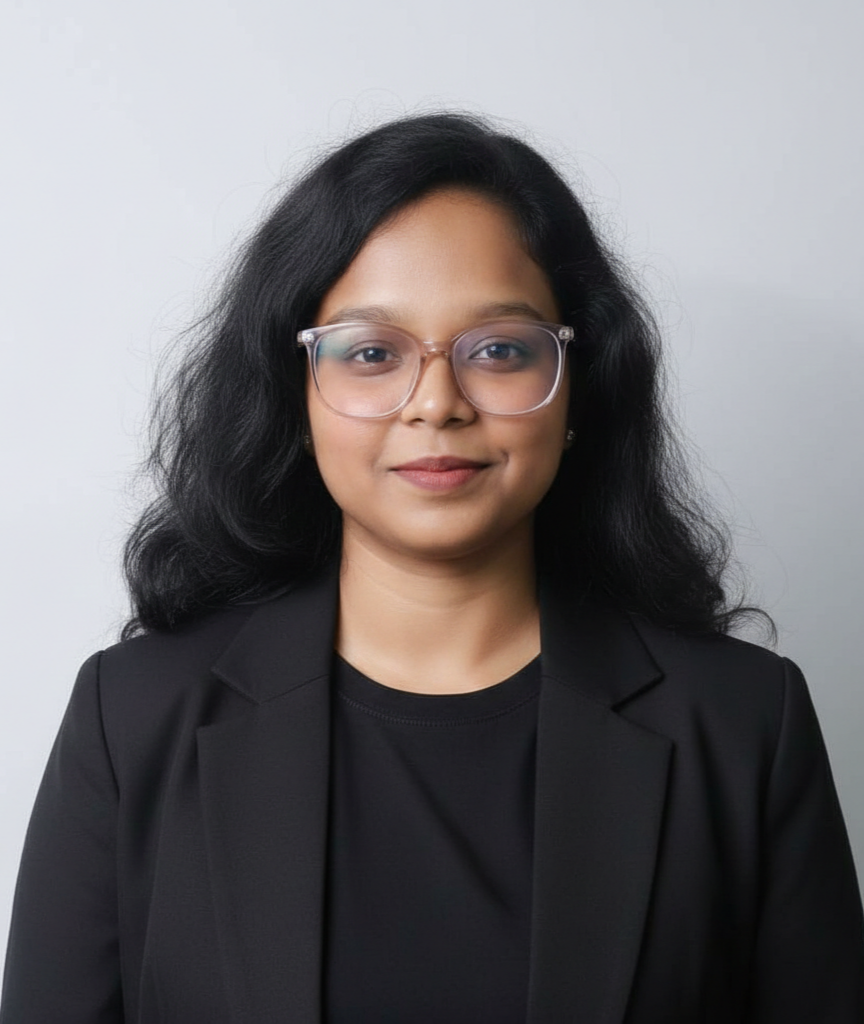
Sheikh Mehzabin Chitra is an anthropologist, human rights advocate, and researcher focused on marginalized communities, displacement, and grassroots peacebuilding. Her work combines ethnographic research with journalism and policy analysis to amplify voices from the margins and examine how everyday practices sustain peace in humanitarian settings.