

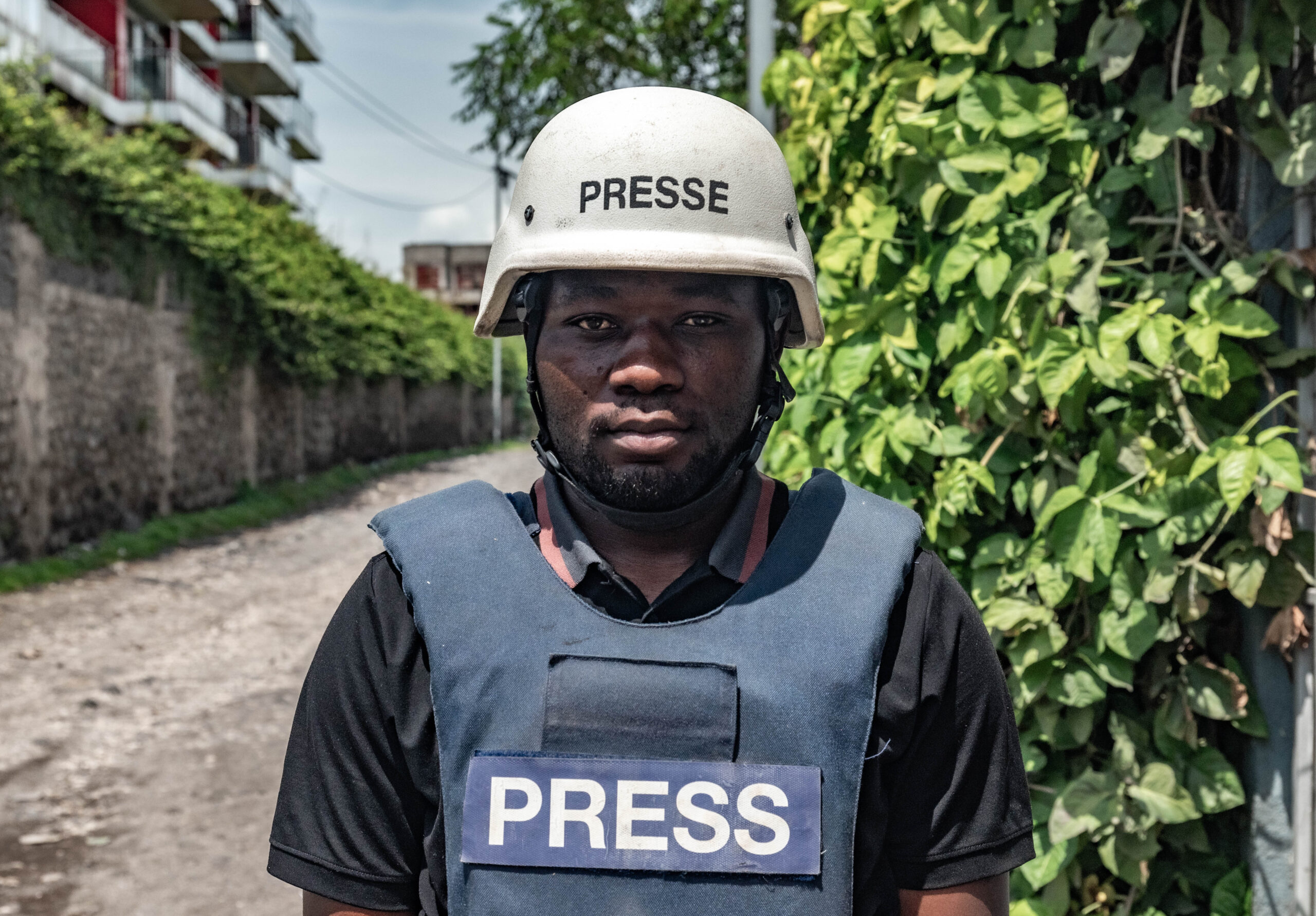
After the announcement of a new peace agreement between the Democratic Republic of the Congo (DRC) and Rwanda, negotiated with United States mediation, the minds of residents of Goma, the capital of DRC’s North Kivu province, and its surrounding areas are fluctuating between cautious hope and realistic skepticism. For many, the agreement signed on June 27 represents a unique opportunity, but its success will depend on its concrete implementation and the genuine will of the stakeholders involved.
“This is what everyone was waiting for,” says Justin Mwanatabu, a teacher and political analyst based in Goma. “We must first congratulate the actors, because Rwanda, often accused by Congo of being the aggressor, has finally agreed to sign an agreement. And this was facilitated by the United States, which reinforces the idea of a serious commitment,” he continued.
But despite this recognition, doubts remain. For Mwanatabu, recent history weighs heavily on the population’s trust in the actors involved. “Before this one, there were several agreements. We saw meetings between Rwanda and Congo, sometimes under the auspices of the United Nations, but the war continued. Entire villages disappeared. So yes, doubts are allowed,” he said bluntly.
Peace, an Essential Condition for Reconciliation
From the civilian population’s perspective, the demand is clear: to see an end to the war. Liberata Buratwa, a rural woman from the region and a women’s and human rights activist, believes that only respect for the agreements signed by regional leaders will be essential for lasting peace. “If all the presidents of the Great Lakes region come together, if they respect the agreements they have already signed at the regional level, if they respect only the various articles contained in these agreements, I believe that we will have peace, and then a lasting peace,” she said.
Mwanatabu believes in reconciliation to rebuild the DRC’s social fabric after years of conflict. “When people are disbanded, wandering, it leads to a lot of conflict, questioning, and on this basis, people can hate each other,” he explained, adding that only an end to the war can solve these problems.
Hubert Masomeko, a researcher at the Center for Research on Democracy and Development in Africa (CREDDA), emphasizes the need for transitional justice as a guarantee of lasting peace and long-term reconciliation in eastern DRC. “Signing an agreement is one part, but another is establishing transitional justice mechanisms for war victims. This justice can also serve as a lesson to discourage acts of war in the future,” he said.
Lasting Peace Also Requires Economic Justice
The peace agreement is supposed to be followed by an economic agreement, a step deemed crucial by the inhabitants of North Kivu, a wounded province embroiled in war for more than three decades. For Mwanatabu, this could be a decisive turning point, provided that the interests of the population are truly taken into account. “We are in a region where resource exploitation is clandestine and confused. It doesn’t create jobs, it doesn’t develop anything. Armed groups extract minerals in areas without roads, schools, or hospitals. And the country is lost,” he said.
He hopes the economic agreement will herald a new era. According to him, this will require the Congolese state and well-known and authorized services to regain control. “This exploitation must be led by the state, by known structures, with social support. If someone has a job, they won’t join an armed group. That’s how we build peace. The economy can be a powerful tool for pacification and peacebuilding,” Mwanatabu said.
A Population Thirsting for Peace
The inhabitants of Goma express a strong, lucid expectation. Mwanatabu and other social actors ask themselves many questions. “Does this population of Goma need peace? Yes. Is that all they’re waiting for? Yes. Do they swear by the end of the war? Yes. Because this war prevents them from flourishing,” he insists. “This population is hardworking, they want to be pushed to work, but the war prevents them from moving forward,” he notes.
Women have been the main people affected by armed conflicts in the region for over 30 years, Buratwa stressed. “War always starts in rural areas. You see, from Chanzu to Goma, women remain vulnerable because they don’t know how to access their fields to find food for their children, and also to cultivate their fields so that they can develop and educate their children,” Buratwa concluded, calling on the warring parties to make peace. “It was we women who brought them into the world, I’ve always said, let them stop. We’re fed up, it’s time to bring us peace. Please lay down your arms, we need peace.”
Despite the uncertainties, a glimmer of hope persists. For the residents of Goma, the agreement signed in Washington will only be credible when it positively changes their daily lives in an environment where guns will forever be silenced, with the return of security, the revival of the local economy, the reopening of schools, and the possibility, finally, of living without fleeing.
Keywords: DRC, Rwanda, Congo, Democratic Republic of the Congo, Goma, eastern Congo, conflict, conflict resolution, peace, peace agreement, Africa

Anicet Kimonyo
Anicet Kimonyo is a Congolese journalist and war reporter based in the East of the Democratic Republic of Congo in the city of Goma in the Province of North Kivu. Since the resurgence of conflicts in the region, he has been involved in media coverage of conflicts in the region and their consequences to the community. His work focuses on issues of democracy, peace and good governance in the region, environmental and climate issues and topics about mining.