

Radio Okapi (RO) was established in 2002 with the goal of supporting the peacekeeping mission known as the United Nations Stabilization Mission in the Democratic Republic of the Congo (MONUSCO). The station was established near the end of two major wars in the DRC in 1996/97 and 1998-2003, which together caused over 5 million deaths in the DRC.
RO sought to inform the public and contribute to peacebuilding through accurate and balanced reporting. RO reports in French and operates across various local languages to reach out to different socio-economic groups, especially in rural areas where radio remains the most accessible form of media.
On February 25 2022, Radio Okapi celebrated its 20th anniversary. The station is considered a success by the UN, and acknowledged for its “journalistic know-how, prestige, and its credibility.” Also, because of its 42 FM transmitters, it is widely heard across the DRC, with weekly listenership estimated at 24 million.
Listeners are generally well informed by the station and understand the station’s mandate, according to a recent survey. As journalist Kifinda Ngoy states, “The Congolese population is well informed, the country reunified by the same information [of Radio Okapi] and the mandate of MONUSCO well understood.”
Despite its success, Radio Okapi has been found to engage in traditional conflict news reporting, according to a recent study on its online newspapers, versus peace and conflict-sensitive journalism.
Like most traditional new coverage of conflicts, the study found that the station heavily relies on state and military sources. Journalism that promotes peace, ideally, should represent a more diverse set of voices, including peacebuilders and ordinary civilians.
Secondly, the study found that RO presents violent events in an isolated manner without contextualizing deeper historical and political settings. This can limit the readers’ understanding of the complex socio-political landscape and the suggested path to resolution for decision-makers.
Thirdly, the study argues that RO portrays local armed groups differently based on their ethnic affiliation and stereotypes different groups in the conflict. This approach can reinforce ethnic biases instead of challenging them to promote reconciliation through common identities (such as national or human-centred ones). In DRC, for example, the Banyamulenge are largely presented as non-native and hence foreigners, while the Babembe, Banyindu, Bafuliro, and Bavira are presented as native and hence entitled to certain rights.
To improve RO coverage and make it a stronger force for peace, more effort can be put towards diversifying sources of information beyond military officers and/or state officials to include perspectives from victims and civil society as well as experts’ knowledge. This could contribute to more nuanced reporting and give voice to victims and civilians. Moreover, RO could broaden its representation of violence to include non–physical violence that sometimes affect marginalised civilians in Eastern DRC.
Additionally, journalists at RO may benefit from conflict-sensitive reporting training, as this can enhance their credibility and their peace-oriented role.
When United Nations peacekeeping missions launch public information and media initiatives, experts in peace and conflict should ideally be part of their editorial team. This can strengthen their role and mandate to be a force for building peace.
Keywords: media, radio, peacebuilding, un, United Nations, peace, DRC, Congo, conflict, conflict resolution, peace and conflict

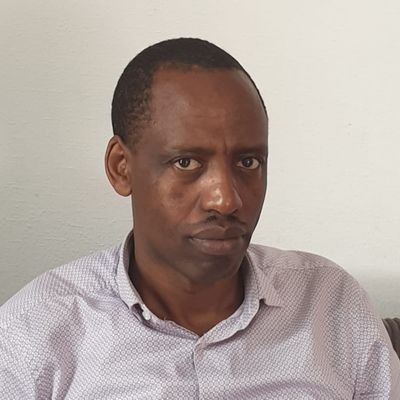
Delphin Ntanyoma
Delphin Ntanyoma is a visiting researcher at the School of Politics and International Studies (POLIS) at the University of Leeds. He is interested in microlevel violence in eastern Democratic Republic of Congo (DRC), genocide, minorities, and social media.



 sought to inform the public and contribute to peacebuilding through accurate and balanced reporting.)