
This week, Colombia’s president closes peace talks with rebel groups. Sudanese and South Sudanese bishops work for peace amidst brutal conflict.
Colombia’s President Closes Peace Talks With Rebel Groups
On August 26, Colombian President Abelardo de la Espriella announced he was ending the peace process with armed groups in the country. Espriella added that five senior rebel commanders would be extradited, and that large prisons would be constructed.
This is the beginning of Espriella’s massive crackdown on crime in Colombia. Espriella said, “This government is beginning to dismantle the model of false peace and replace it with a policy based on security, the rule of law, and state authority.”
However, analysts say that Espriella is closing the door on any possibility of continuing Colombia’s Total Peace processes, and that rebels will increase their military activities, ultimately leading to more violence.
Sudanese and South Sudanese Bishops Work for Peace Amidst Brutal Conflict
Amidst Sudan’s brutal civil war—which has killed hundreds of thousands–and growing violence in South Sudan between government forces and rebels, Catholic bishops in both countries are working for peace.
On September 1, a capacity-building training program opened for members of the Sudan/South Sudan Catholic Bishops’ Conference (SSCBC). The training, which will last until September 10, aims to strengthen leadership, institutional systems, accountability, and resource mobilization within Catholic institutions in South Sudan.
Father Dr. Martin Ochaya Lino, SSCBC secretary general, connected the Church’s call for peace and environmental protections with the current realities of Sudan and South Sudan. He stressed the need to promote peace while responsibly managing resources.
He called on the facilitators from Christian Organizations Research and Advisory Trust (CORAT) Africa to give attendees practical knowledge and tools that would respond to challenges Catholic institutions in Sudan and South Sudan face, including conflict, limited resources, and financial limitations.
The training comes after, on August 20, the SSCBC launched a strategy to address the crisis in both countries. The three-year framework aims to: strengthen the Church’s pastoral and institutional work, expand humanitarian services, promote peace and reconciliation, and deepen its engagement in governance and public policy.
The plan instructs the Catholic Church to maintain its outreach to political and community leaders, partner with other religious groups, accompany displaced persons, and support reconciliation initiatives.
Despite South Sudan’s 2018 peace deal, the country is experiencing renewed violence between the military, loyal to president Salva Kiir, and insurgents believed to be allied with the suspended vice-president Riek Machar.. On August 24, unidentified gunmen killed two UN peacekeepers in Jonglei state, South Sudan, highlighting dangers to peacekeepers in the country. The UN reported that the patrol by the peacekeeping mission in the country, UNMISS, was attacked on the way to Pajut, a remote area in the eastern region.
The country has roughly 330,000 refugees and asylum-seekers (mainly from Sudan), and 2 million internally displaced persons due to conflict.
Meanwhile, Sudan has been trapped in a civil war since April 2023 between the Sudan Armed Forces (SAF) and the paramilitary force known as the Rapid Support Forces (RSF).
Keywords: Colombia, Sudan, South Sudan, ceasefire, rebels, peace, conflict, conflict resolution, peace process, peacebuilding

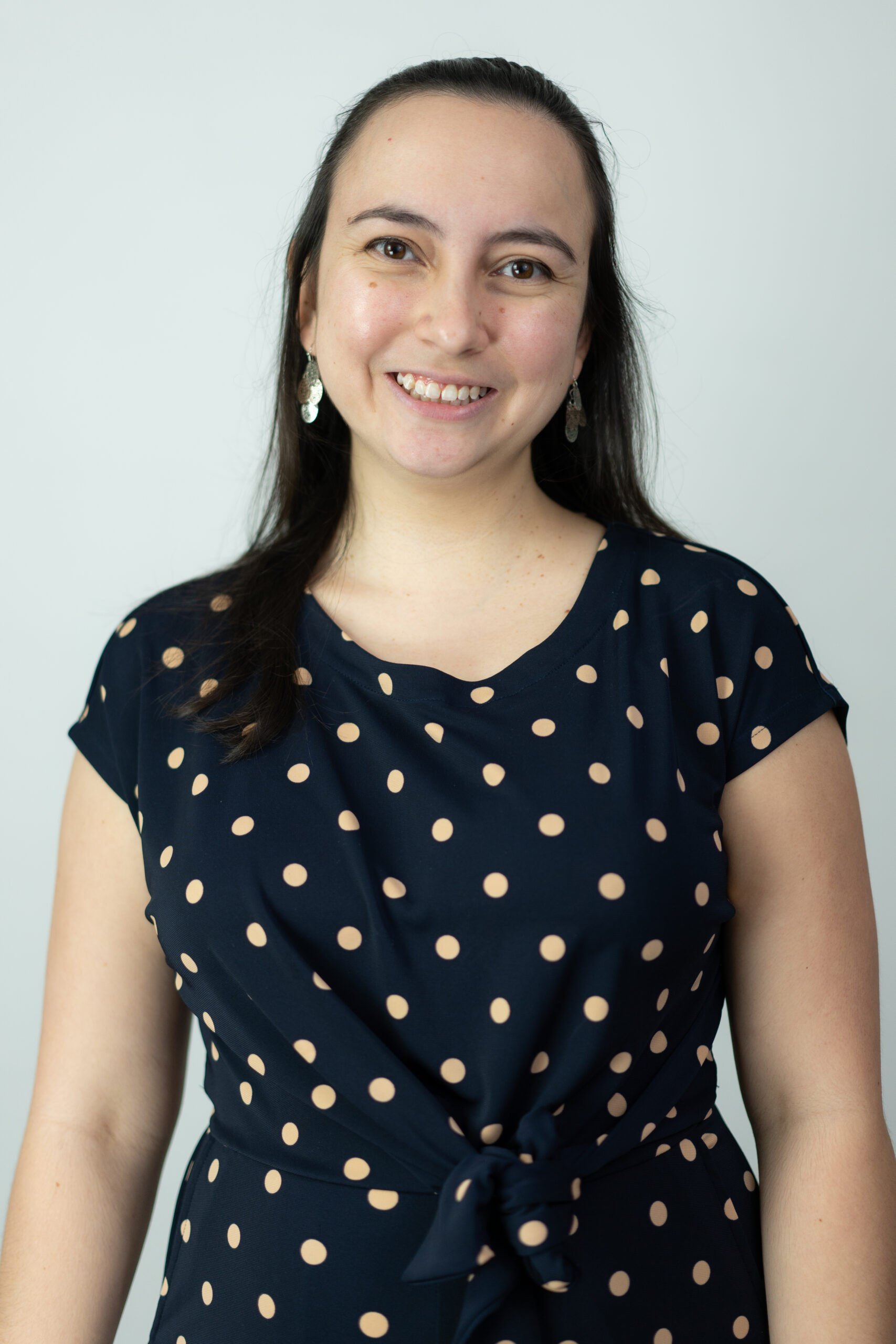
Tara Abhasakun is Peace News Network (PNN)'s managing editor. She is journalist based in Christchurch, New Zealand, and formerly in Bangkok, Thailand. She has reported on a range of human rights issues involving youth protests in Thailand, as well as arts and culture. Tara's work has appeared in several outlets, including Al Jazeera and South China Morning Post.