

After a war ends, what does it take for former fighters to reintegrate? Why can reintegration of former fighters be challenging for post-conflict communities? Can communities ever trust former militants?
A ceasefire often signals relief, but not resolution. In many post-conflict societies, the silence of guns gives way to another struggle, one that unfolds not on battlefields but in villages and homes where communities must learn to live again alongside those who once carried weapons. A former fighter may surrender a gun, but surrendering suspicion is far more difficult. Weapons can be collected within days; rebuilding trust may take years.
This challenge is visible across Africa and other conflict-affected places, including Colombia and the Philippines, where the end of armed violence raises one defining question: What becomes of those who once fought? The answer increasingly determines whether peace stabilizes or slowly unravels. Global experience demonstrates a consistent lesson: Ending war is only the beginning of peace. Peace agreements may silence armed groups, but they cannot automatically rebuild relationships, restore livelihoods, or repair the social damage caused by violence. Sustainable peace depends on whether societies can transform former combatants from instruments of war into productive citizens and participants in reconciliation.
When Peace Arrives, but Trust Does Not
Reintegration is often treated as the natural outcome of peace. In reality, it is one of the most fragile and contested stages of post-conflict recovery.
Communities affected by violence face a dilemma: how to balance justice with forgiveness, and security with reintegration. Returning fighters, meanwhile, often encounter stigma, exclusion, and limited access to education, employment, and psychosocial support. In Cameroon’s Far North Region, where Boko Haram violence has caused prolonged insecurity, displacement, and recruitment challenges since 2014, reintegration remains complex. Some returnees were abducted or recruited under coercion, while others joined armed groups amid poverty, insecurity, and limited opportunities. Regardless of their circumstances, many face mistrust from communities affected by years of violence. Rebuilding acceptance therefore becomes as important as disarmament itself.
Similar lessons emerge elsewhere. In Colombia, the reintegration process established under the 2016 Final Peace Agreement with the Revolutionary Armed Forces of Colombia (FARC-EP) demonstrates that former combatants require more than weapons collection and formal demobilisation. Education, livelihood opportunities, psychosocial support, and social acceptance remain central to a successful transition into civilian life.
In the Philippines, the ongoing Bangsamoro peace process illustrates how decommissioning, livelihood assistance, and political inclusion can help former combatants move from armed struggle towards civic participation and community development.
Across these contexts, one lesson is clear: reintegration is not automatic. It is a deliberate process requiring political commitment, community acceptance, and sustained institutional support.
Beyond Disarmament
Disarmament, Demobilisation and Reintegration (DDR) remains central to international peacebuilding frameworks. However, it is the final stage, reintegration, that often determines whether peace endures or collapses.
Disarmament removes weapons and reduces immediate threats. Demobilisation dissolves armed structures. Reintegration, however, is a long-term transformation process involving economic recovery, psychological healing, social acceptance, and the rebuilding of trust.
The United Nations Integrated Disarmament, Demobilization and Reintegration Standards (IDDRS) emphasise that reintegration is not a short-term intervention but a sustained process requiring coordination among governments, communities, and development partners (United Nations, 2014). It involves education, employment pathways, psychosocial support, civic participation, and reconciliation initiatives.
The United Nations Development Programme (UNDP) similarly stresses that sustainable peace requires more than security measures. It depends on inclusive institutions, economic opportunity, and social cohesion capable of addressing the conditions that fuel violence (UNDP, 2016). Without these foundations, disarmament risks becoming symbolic—removing weapons without transforming the grievances and vulnerabilities that produced conflict.
The Fragility of Peace
History shows that peace agreements alone rarely guarantee lasting stability.
The World Bank’s World Development Report 2011: Conflict, Security and Development identified a recurring pattern: Societies emerging from conflict face significant risks of renewed violence when exclusion, weak institutions, and economic inequality remain unresolved.
Where reintegration fails, former combatants may become socially isolated and economically marginalised. This exclusion can increase vulnerability to recruitment by criminal networks, extremist groups, or renewed armed mobilisation. Peacebuilding scholar Robert Muggah argues that DDR programmes are often judged by short-term outputs—such as weapons collected or individuals processed—rather than long-term outcomes including reconciliation, resilience, and prevention of renewed violence (Muggah, 2005).
Livelihoods as Peace Infrastructure
Economic reintegration is one of the strongest foundations of sustainable peace. Employment is not merely an economic intervention; it restores dignity, strengthens household security, and reduces incentives for renewed violence. Vocational training, entrepreneurship support, agricultural recovery, and access to financial opportunities help former combatants rebuild productive lives.
Ethiopia’s recent DDR efforts, following the Tigray war from November 2020 to November 2022, demonstrate the scale and complexity of this challenge. Reintegration involving large numbers of former combatants, including people affected by conflict-related disabilities, highlights an important lesson: DDR cannot be treated as a temporary humanitarian response. It must be connected to long-term national development strategies that address both individual needs and broader social recovery.
Rebuilding the Social Fabric of Peace
Reintegration is ultimately a social process, not only an institutional one.
Communities carry the emotional consequences of conflict: grief, trauma, and mistrust. Successful reintegration therefore requires dialogue, accountability, and visible commitment to peaceful behaviour. Traditional leaders, religious authorities, and local mediators often play important roles because their legitimacy enables them to facilitate reconciliation and rebuild relationships in ways formal institutions alone may struggle to achieve.
Peacebuilding scholar John Paul Lederach argues that sustainable peace is fundamentally relational. Institutions may create frameworks for peace, but relationships determine whether peace is genuinely experienced or merely declared (Lederach, 1997).
Women as Essential Partners in Reintegration
Because reintegration occurs largely within families and communities, women are often central yet under-recognised actors in post-conflict recovery.
Women frequently support trauma healing, maintain household resilience, mediate local disputes, and help communities manage the difficult return of former combatants. Their contributions often form the foundation of community-level peacebuilding.
Research by UN Women confirms that peace processes become more durable when women participate meaningfully in both design and implementation (UN Women, 2015). However, women remain underrepresented in DDR decision-making structures, limiting the effectiveness and inclusiveness of reintegration programmes.
The Real Test of Peace Begins After War
The success of post-conflict recovery cannot be measured only by the absence of fighting. It must also be measured by inclusion, opportunity, justice, and restored trust.
Governments must design DDR programmes that move beyond security-focused interventions to include education, psychosocial support, employment pathways, and reconciliation processes. Development partners must prioritise long-term investment in social cohesion rather than short-term stabilisation. Communities must be supported to engage in healing processes that balance accountability with reintegration.
Peace cannot be imported or externally imposed. It must be built gradually through relationships, opportunity, justice, and sustained commitment.
History offers a consistent lesson: wars are not truly ended when weapons fall silent. They end when societies can absorb those who once fought and transform them into contributors to peace rather than threats to it.
The hardest battle comes after war. It is fought not on battlefields, but through the slow, complex, and deeply human work of rebuilding trust, restoring dignity, and ensuring that peace becomes permanent rather than provisional.
Keywords: reintegration, DDR, disarmament, Philippines, Colombia, demobilization, peace, conflict, conflict resolution, Ethiopia

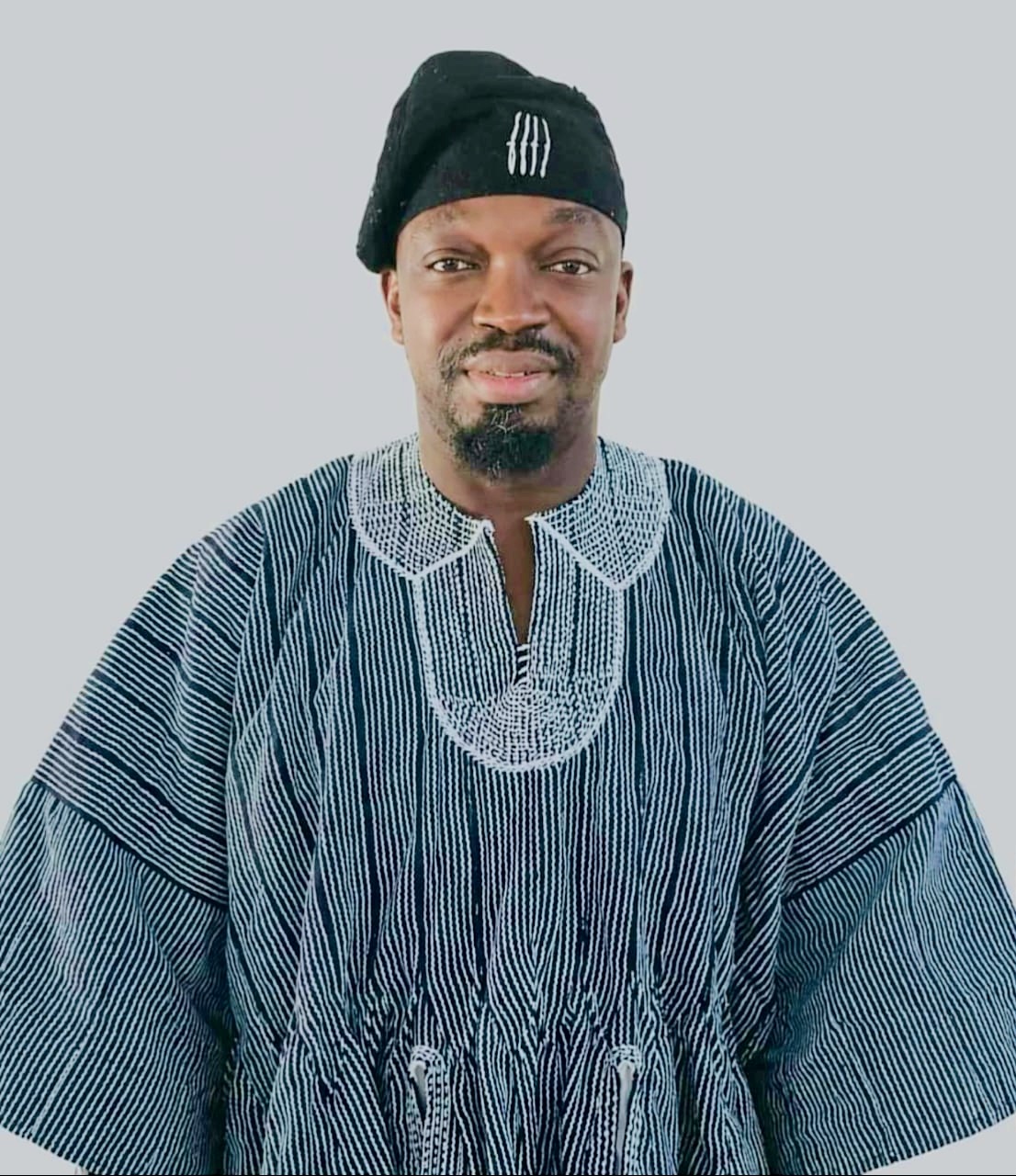
Abubakari Najimu is a deputy registrar at Tamale Technical University, Ghana, and a PhD student in Public Law at the University of Venda, South Africa, with interdisciplinary academic training in law, management, human resource strategy, business planning, and development studies. He holds an MSc in management and human resource strategy from Kwame Nkrumah University of Science and Technology, as well as postgraduate and undergraduate degrees from the University for Development Studies, Ghana, and a Master's in Labour Law and Practice from the University of Ghana, Ghana. This interdisciplinary background, law, human resource strategy, development studies, and labour rights, combines to produce research interests in conflict prevention, institutional accountability, and inclusive development. He focuses his research on employment and labour law, particularly workplace justice, labour rights, and public regulation. Beyondhis academic work, he has extensive professional experience in university governance and administration at Tamale Technical University, where he has served in several roles supporting academic planning, accreditation, quality assurance, and faculty administration. His broader research interests include public law, employment relations, governance, and the legal and policy dimensions of social protection, conflict prevention, and inclusive development in Africa. He is particularly interested in how legal and institutional reforms can promote fairness, stability, and social justice.