
How has interfaith dialogue build peace in Northern Ghana? How can interfaith dialogue bridge divides and dispell stereotypes? How can youth be involved in interfaith dialogue?
A Tapestry of Faith
In the bustling city of Tamale, the economic hub of Northern Ghana, the call to prayer from mosques blends with the songs of church choirs, reflecting a region where Muslims, Christians, and followers of traditional beliefs live side by side. While Northern Ghana is often associated with chieftaincy disputes, land conflicts, and political tensions, another story is unfolding, one of cooperation, dialogue, and peacebuilding across religious divides.
This climate of peaceful coexistence did not emerge by chance. It has been nurtured through sustained interfaith dialogue, community engagement, and collaborative efforts among religious leaders, civil society organizations, and state institutions. Northern Ghana’s experience demonstrates how religious diversity can become a powerful asset for peace rather than a source of conflict.
What Is Interfaith Dialogue?
Interfaith dialogue refers to structured and continuous engagement among people of different religious traditions aimed at promoting mutual understanding, respect, and cooperation. Instead of debating theological differences, participants focus on shared values such as peace, justice, compassion, and human dignity.
The Ghana Conference of Religions for Peace (GCRP), an active member of the global United Religions Initiative, works to promote mutual respect and cooperation among Ghana’s religious communities. Through dialogue platforms, educational activities, and community initiatives, religious leaders have become important partners in strengthening social cohesion and preventing conflict.
Evidence of Impact
Research increasingly confirms the effectiveness of interfaith dialogue in Northern Ghana. A study by Pealore, Titigah, and Duorinaah (2025), involving 381 respondents across Northern Ghana, found that 96 percent reported very high levels of peaceful coexistence among religious groups due to interfaith dialogue initiatives. The study further revealed that 91 percent believed interfaith engagement had contributed to reducing religious tensions, while 99 percent agreed that such initiatives generated sustainable peace outcomes.
Similarly, a study by Ishaq, Shamhuna, Kassim, and Sandow (2025) found that dialogue mechanisms become even more effective when linked to traditional authorities, district assemblies, and community governance structures. Their study introduced the concept of “structured hybridity,” which combines grassroots dialogue with formal institutions to strengthen social cohesion and conflict prevention.
Beyond Ghana, similar approaches have contributed to peacebuilding efforts in countries such as Nigeria, Kenya, and Indonesia. Northern Ghana, therefore, offers valuable lessons for other multi-religious societies seeking sustainable pathways to peace.
Why Dialogue Works
Several factors help explain why interfaith dialogue has been effective in Northern Ghana.
One factor is that in many communities, faith leaders are not only spiritual guides but also mediators, educators, and community mobilizers. Their influence often extends beyond the reach of formal institutions.
Another factor is regular interaction. Interfaith forums, community meetings, and joint activities create opportunities for people from different religious backgrounds to engage directly with one another. This aligns with Allport’s Contact Hypothesis, which suggests that sustained interaction reduces prejudice and strengthens cooperation between groups.
A third reason is the focus on common challenges. Rather than debating religious differences, interfaith initiatives increasingly address practical issues such as youth unemployment, poverty, access to water, education, and community development. By working together on shared concerns, communities build trust and strengthen social bonds.
Development as a Tool for Peace
In Northern Ghana, development initiatives often serve as platforms for interfaith cooperation. Faith-based and community organizations support projects that benefit entire communities regardless of religious affiliation.
For example, World Vision Ghana’s water infrastructure projects have improved access to clean drinking water for schools and communities while promoting cooperation among diverse groups. Such interventions help address everyday needs while creating opportunities for collaboration and mutual trust.
The National Peace Council and other stakeholders have also supported community-based initiatives that encourage dialogue and cooperation across religious and ethnic lines. By serving shared community interests rather than specific religious groups, these projects demonstrate how development can reinforce peaceful coexistence.
The Role of Young People
Young people play a crucial role in sustaining interfaith peacebuilding efforts. Across Northern Ghana, youth-focused programmes encourage dialogue, leadership development, civic engagement, and peaceful coexistence.
Through schools, religious institutions, and community organizations, young people are learning to work together across religious boundaries. These relationships help reduce stereotypes and build a generation that values cooperation over division.
In May 2025, youth representatives from political parties, traditional authorities, and civil society organizations in Tamale adopted the Tamale Declaration, reaffirming their commitment to peacebuilding, dialogue, and social cohesion. The declaration illustrates how young people can move beyond being beneficiaries of peace initiatives to becoming leaders of them.
Building Strong Institutions
The sustainability of interfaith peacebuilding depends on strong institutions. Ghana’s peace architecture, including the National Peace Council, traditional authorities, faith-based organizations, and development partners, has helped create an enabling environment for dialogue and cooperation.
In the early months of 2026, the United Nations in Ghana hosted its first interfaith Iftar during Ramadan, bringing together representatives from major religious bodies and diplomatic missions. The event symbolized the growing recognition that faith communities are essential partners in promoting peace and development.
Research shows that when grassroots dialogue is supported by credible institutions, its impact expands significantly. Strong partnerships between religious leaders, traditional authorities, government agencies, and civil society organizations help ensure that peacebuilding efforts remain effective and sustainable.
Looking Ahead
Challenges remain, including youth unemployment, economic inequality, and politicized land disputes that can threaten social cohesion. Interfaith dialogue alone cannot solve every problem. However, the evidence from Northern Ghana demonstrates that it remains one of the most effective community-based approaches for preventing conflict and strengthening peaceful coexistence.
Northern Ghana demonstrates that religious diversity need not be a source of division. When supported by trusted institutions, informed by evidence, and connected to inclusive development, interfaith dialogue can transform diversity into one of society’s greatest assets for peace, resilience, and shared prosperity.
When supported by credible institutions, informed by research, and linked to inclusive development initiatives, interfaith dialogue can transform religious diversity from a potential source of tension into a powerful force for peace, development, and national unity.
Keywords: Ghana, Northern Ghana, interfaith, interfaith dialogue, peace, conflict, conflict resolution, youth, stereotypes, unity, social justice

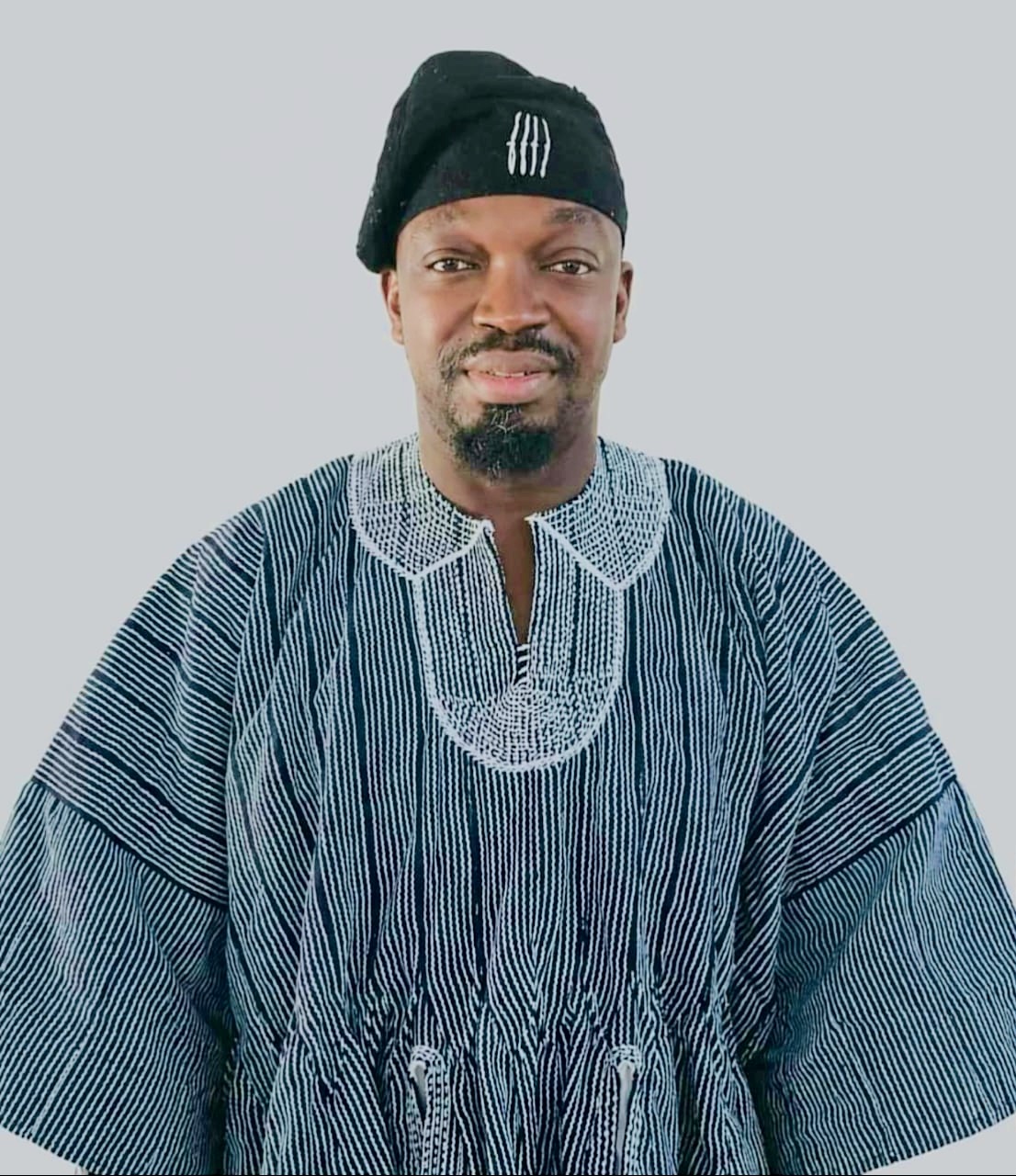
Abubakari Najimu is a deputy registrar at Tamale Technical University, Ghana, and a PhD student in Public Law at the University of Venda, South Africa, with interdisciplinary academic training in law, management, human resource strategy, business planning, and development studies. He holds an MSc in management and human resource strategy from Kwame Nkrumah University of Science and Technology, as well as postgraduate and undergraduate degrees from the University for Development Studies, Ghana, and a Master's in Labour Law and Practice from the University of Ghana, Ghana. This interdisciplinary background, law, human resource strategy, development studies, and labour rights, combines to produce research interests in conflict prevention, institutional accountability, and inclusive development. He focuses his research on employment and labour law, particularly workplace justice, labour rights, and public regulation. Beyondhis academic work, he has extensive professional experience in university governance and administration at Tamale Technical University, where he has served in several roles supporting academic planning, accreditation, quality assurance, and faculty administration. His broader research interests include public law, employment relations, governance, and the legal and policy dimensions of social protection, conflict prevention, and inclusive development in Africa. He is particularly interested in how legal and institutional reforms can promote fairness, stability, and social justice.

Marvin Senanu Akyea is the Registrar of Ghana Insurance University College, Accra, Ghana, and a distinguished corporate trainer, leadership consultant, and public affairs commentator. He possesses extensive experience in higher education administration, organizational leadership, human resource development, and institutional governance. He holds a Master of Arts degree in Social Administration, a Certificate in Counselling and Psychotherapy, and is a Certified Management Professional. His professional and scholarly interests encompass higher education policy, youth empowerment, governance, leadership development, public administration, and social transformation. Through his writing, training, and public engagement activities, he promotes ethical leadership, responsible citizenship, accountability, and sustainable national development. He actively contributes to discourse on public policy, higher education reform, leadership, and the critical role of young people in shaping Ghana’s socio-economic and democratic future.