

What is the farmer-herder conflict in sub-Saharan Africa about? How does climate change impact the farmer-herder conflict in sub-Saharan Africa? What measures can governments and communities take to build peace amidst the farmer-herder conflict?
Farmer-herder conflicts in sub-Saharan Africa are often presented as ancient ethnic rivalries or unavoidable clashes between “nomads” and “settled farmers.” This framing is too simple and, in many cases, dangerously misleading. Our recent systematic review shows that these conflicts are better understood as climate-stressed livelihood conflicts shaped by land scarcity, weak governance, exclusion, insecurity, and poor conflict-management systems.
Across the region, farmers and herders are both victims of a changing environment. Drought, desertification, rising temperatures, erratic rainfall, and floods are reducing the availability of productive land, water, and pasture. When pasture disappears in one area, pastoralists move in search of grazing land and water. When farming seasons become uncertain, farmers expand cultivation or plant at different times. The old rhythm of coexistence, in which farmers and herders often shared land seasonally, is being disrupted. Conflict frequently emerges when livestock enter farms before harvest, when grazing routes are blocked, or when water points become contested.
The problem is particularly serious in West and East Africa. Nigeria, Ghana, Mali, Niger, Burkina Faso, Tanzania, Ethiopia, Sudan, South Sudan, and Chad all show evidence of climate-related farmer-herder tensions. In Nigeria, the southward movement of pastoral communities from drought-affected northern areas has deepened disputes over land and crops. In Tanzania, pastoral migration from northern areas to regions such as Morogoro and Pwani has generated tensions with farming communities. In the Sahel, conflicts are increasingly entangled with armed groups, displacement, cattle rustling, and local political grievances.
Recent events show that this issue is not disappearing. In Senegal, climate change is intensifying long-standing tensions between nomadic herders and farmers, as declining rainfall and rising temperatures reduce pasture and push herders into farming areas during harvest periods. In the Central Sahel, floods, droughts and insecurity have further strained transhumance routes, increasing competition over land, water and food. In coastal West Africa, including the Ivory Coast, displaced herders fleeing insecurity in Burkina Faso and Mali are being pushed into new urban and peri-urban livelihoods, often after losing their livestock, identity, and social status.
Yet climate change alone does not kill. Violence escalates when climate stress meets weak institutions. Poor land governance, unclear boundaries, corruption, ethnic stereotyping, political manipulation, weak policing, and exclusion of pastoral voices turn resource competition into violence. Therefore, peacebuilding must go beyond emergency security responses. Arrests and patrols may stop immediate attacks, but they cannot build sustainable peace unless the underlying political, ecological, and livelihood pressures are addressed.
The first peacebuilding priority is fair and participatory land-use planning. Communities need clearly defined grazing areas, farming zones, livestock corridors, and water access points. These arrangements must not be imposed from national capitals without local ownership. They should be developed through village assemblies, district authorities, traditional leaders, women, youth, and farmers and herders themselves. Where herders are treated only as outsiders, land-use plans become instruments of exclusion. Where farmers’ crop losses are ignored, resentment grows. Fair planning must protect both crops and livestock.
Second, early warning systems should be linked to early action. It is not enough to know that drought, delayed rainfall or pasture failure may trigger migration. Local governments should use climate forecasts, migration monitoring, and conflict-risk mapping to anticipate where pressure will rise. If herders are likely to arrive earlier than usual, host communities should be informed in advance. If water points are drying, mediation committees should intervene before violence occurs. Climate information must be translated into practical peace information.
Third, peace committees should be strengthened and made genuinely inclusive. Evidence from Tanzania and Nigeria shows that community-based, consensus-oriented conflict-resolution approaches can reduce tensions when they involve respected elders, farmers, herders, local officials, and security actors. However, such committees must include women and young people, who are often affected by violence but excluded from formal mediation. They also need legal recognition, modest funding, and links to district authorities so that local agreements are enforceable.
Fourth, compensation and accountability mechanisms are essential. Many conflicts begin with crop destruction, cattle killing, theft, or retaliatory attacks. If there is no trusted mechanism to assess damage and compensate losses, communities take justice into their own hands. Local damage-assessment panels, transparent compensation systems, and mobile courts can reduce revenge cycles. At the same time, criminal violence should not be hidden under the language of “communal conflict.” Cattle rustling, armed attacks, sexual violence, and killings require lawful accountability.
Fifth, peacebuilding must invest in climate adaptation. Water harvesting, pasture restoration, drought-resistant crops, veterinary services, fodder banks, livestock insurance, and climate-smart agriculture can reduce pressure on contested resources. Pastoral mobility should not automatically be treated as backward or dangerous; In dryland Africa, mobility is often an intelligent adaptation strategy. The question is not whether pastoralists should move, but how to manage movement peacefully and predictably.
Recent research from Nigeria offers an important lesson: When farmers better understand how climate change makes herders more vulnerable and forces them to migrate, they become more willing to support policies that accommodate herders. This means narratives matter. Peacebuilding must challenge stereotypes that portray all herders as invaders or all farmers as intolerant. Both groups are trying to survive under increasingly harsh conditions.
Ultimately, peace amidst farmer-herder conflicts will not be built through a single policy. Ranching, grazing reserves, policing, peace committees, and land-use plans can all help, but none is sufficient alone. Sustainable peace requires an integrated approach: climate adaptation, fair land governance, inclusive local mediation, accountable security, livelihood support, and respectful public communication.
The future of peace in sub-Saharan Africa’s rural landscapes depends on recognising a simple truth: Farmers and herders are not natural enemies. They are frontline communities facing the combined pressures of climate change, poverty, and institutional neglect. Building peace means protecting both livelihoods, restoring trust, and designing governance systems that allow people, animals, and ecosystems to coexist under a changing climate.
Keywords: farmer, herder, farmer-herder conflict, sub-Saharan Africa, Africa, climate change, peace, conflict, conflict resolution, nomadic, pastoralist

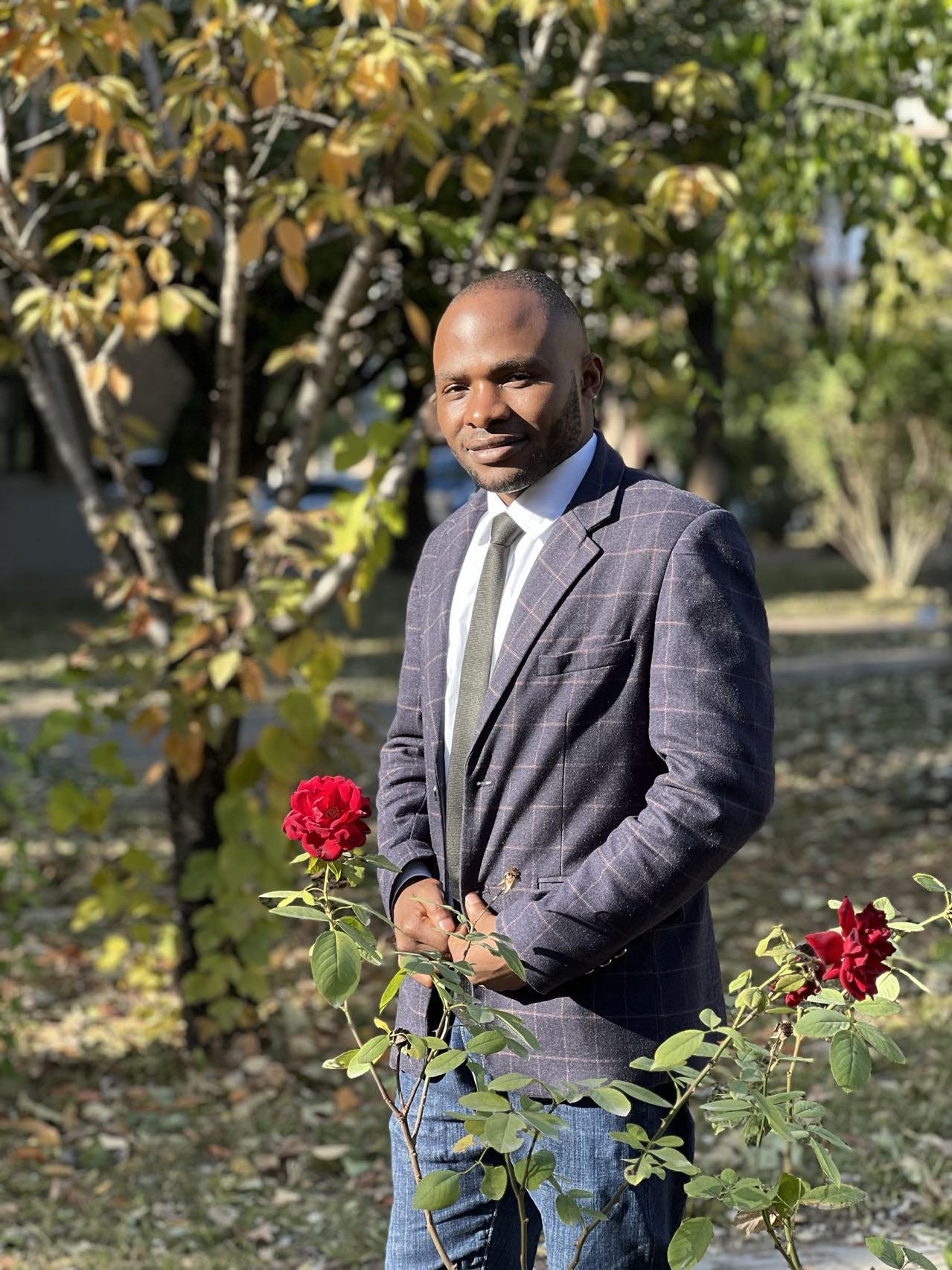
Gabriel Kanuti Ndimbo is a scholar at the Faculty of Humanities and Social Sciences, Mkwawa University College of Education, Tanzania. He holds a doctoral degree in development studies (sociology) and a master’s in rural development and management from China Agricultural University. His research focuses on critical agrarian studies, climate change, migration, rural livelihoods, land-use conflicts, human security and sustainable development in sub-Saharan Africa.