

In a strong show of unity, Muslim and Christian leaders in Nigeria have come together during the holy seasons of Ramadan and Lent to promote peace, dialogue, and mutual support. Across several communities, the overlap of the two religious periods in February and March 2026 has created opportunities for people of different faiths to meet, pray, share meals, and assist those in need.
Religious leaders say the activities are helping build trust between Muslims and Christians at a time when the country continues to face security challenges and social tensions. Many events have included shared meals, charity work, and discussions on strengthening peace within communities.

Religious leaders, community organisations, and government officials say cooperation between Christians and Muslims is essential for maintaining unity in a country where both faiths have millions of followers.
Understanding Iftar and Lent
During the Islamic holy month of Ramadan, Muslims fast each day from dawn until sunset. At sunset, they break the fast with a meal known as iftar, often shared with family members, friends, neighbours, and sometimes people from other faiths. Ramadan is also a period devoted to prayer, self-discipline, generosity, and helping the poor. Many Muslims increase their charitable activities during this time.
For Christians, Lent is a 40-day season of prayer, fasting, repentance, and reflection before the celebration of Easter. Like Ramadan, this time is often used for charitable acts.
Because Ramadan and Lent took place around the same time this year, religious leaders say it offers a unique opportunity for Muslims and Christians to support one another and work together for peace in the country.
Continuing a Tradition of Interfaith Iftar
One of the major interfaith gatherings took place in the northern city of Kaduna during an annual interfaith Iftar hosted at the residence of the late Islamic scholar Sheikh Dahiru Usman Bauchi on February 27, 2026.

For many years, the respected cleric welcomed Muslim and Christian leaders to break the Ramadan fast together and discuss issues affecting their communities.
The event has become a symbol of interfaith cooperation in northern Nigeria. This year’s gathering was led by former Minister of Youth and Sports Solomon Dalung, who said the tradition has strengthened friendship and dialogue among religious leaders.
“We gather here every Ramadan to break the fast together, discuss the problems facing our communities, and look for practical ways to promote peace and national unity,” Dalung said.
He noted that this year’s gathering was especially emotional because it was the first since the death of Sheikh Bauchi, who passed away after a brief illness. Dalung described the late cleric as a strong supporter of peaceful coexistence between people of different religions.
“He dedicated his life to preaching peace, tolerance, and unity,” Dalung said. “His legacy will continue to guide efforts for interfaith harmony in Nigeria.”
He also called on the government to address insecurity across the country, noting that peace and stability are essential for development.
Christian Leaders Join Iftar
Christian leaders who attended the gathering said the event showed that Muslims and Christians share common values such as compassion, charity, and respect for others. Among those present was Pastor Yohanna Buru, General Overseer of Christ Evangelical and Life Intervention Ministry in Kaduna.

He said Christian leaders attended to show solidarity with their Muslim neighbours during Ramadan. “We came to congratulate our Muslim brothers on the beginning of Ramadan and to strengthen the relationship that has existed between us for many years,” he said.
Pastor Buru also described the late Sheikh Bauchi as someone who treated many Christian leaders like members of his family. “He was like a father to many of us,” Buru said. “We pray that God will reward his efforts to promote peace and understanding among people of different faiths.”
Another Christian cleric, Reverend Titus Ishaya, praised the family of the late Islamic scholar for continuing the tradition of inviting Christian leaders to the Ramadan iftar.
Responding on behalf of the family, Sheikh Ibrahim Usman Dahiru Bauchi thanked the Christian delegation for attending and promised that the family would continue their father’s legacy. “We will continue to promote peace and strengthen relationships between Muslims and Christians,” he said.
Helping the Poor During Ramadan
Interfaith cooperation in Nigeria is not limited to meetings and dialogue. Many groups are also working together to support poor and vulnerable people.
As part of these efforts, the Christ Evangelical and Life Intervention Ministry organised the distribution of food items to Muslims observing the Ramadan fast. The charity event took place at the Kano Road Central Mosque in Kaduna on February 17, 2026.
Pastor Buru said the church provided rice, maize, and other food items to assist Muslims who may struggle to provide meals during the fasting period. “The church distributed rice, maize, and other food items to poor Muslims to help them fully observe the 30-day Ramadan fast and prayers,” he said. The church also donated prayer mats and plastic kettles used for ablution before prayers.
Pastor Buru said the outreach was meant to encourage unity and remind people that helping the needy should go beyond religious differences. In response to rising food prices, the church has also mobilized volunteer pastors and imams to work with market traders to encourage fair food prices during Ramadan and Lent.
Beneficiaries Show Appreciation
Many beneficiaries expressed gratitude for the support from their Christian neighbours. Hassan Lawal, leader of the Association of Persons with Disabilities in Kaduna State, said the assistance came at a critical time.
“We truly appreciate our Christian brothers and sisters,” he said. “The help they provide comes when many people are struggling and no one else seems to be thinking about us.”
Another beneficiary, Mallam Tukur Zubairu of the Visually Impaired Association, said only God could reward the church for its kindness.
Imam Ibrahim Musa, who represented Tsangaya Islamic schools, said, “People should help the poor whether they are Muslim or Christian,” he said. “This is important for the unity of our country.”
Acts of Kindness Build Trust
Religious leaders say acts of kindness help reduce suspicion and misunderstanding between communities. Imam Hussaini Ilyasu of Jama’atu Nasril Islam said the church’s support during Ramadan sends a powerful message. “What the church did is a good example that others should follow,” he said.
He added that when people show kindness to one another, it becomes harder for extremists to spread hatred. “This kind of gesture will make Muslims not see Christians as enemies, and Christians will not see Muslims as enemies,” he said.
Government Supports Interfaith Dialogue
Government leaders have also joined efforts to encourage dialogue between religious communities. One such event was hosted by the Governor of Kaduna State, Senator Uba Sani, who invited Christian leaders to an interfaith dinner at the Government House on March 5, 2026.
The Christian delegation was led by the Chairman of the Christian Association of Nigeria in Kaduna State, Reverend Caleb Ma’aji. “I appreciate the Christian leaders for honouring us with their presence and praying for the continued peace and progress of our state,” he said.


Such efforts are also taking place at the national level, with president Bola Ahmed Tinubu hosting similar interfaith gatherings during Ramadan and Lent in March 2026.
Keywords: Nigeria, interfaith, Iftar, Lent, Muslim, Christian, Kaduna, northern Nigeria, peace, conflict, conflict resolution

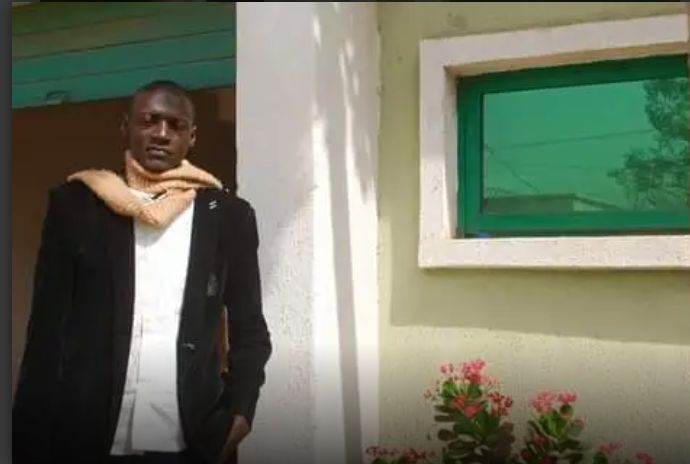
Mohammed is a multimedia freelance journalist in Kaduna State, Nigeria. He graduated from the International Institute of Journalism Abuja. In 2016 Mohammed received the Courage in Journalism Award for his investigative reporting, from the Africa Media Development Foundation.