

The Indigenous Pygmy peoples of the Democratic Republic of Congo (DRC) are currently experiencing an unprecedented crisis. Pygmies are estimated to number between 700,000 and 2 million in DRC. The war tearing apart the eastern part of the country, particularly in the provinces of North Kivu and Ituri, has disrupted their ancestral way of life. It has exposed them to hunger, disease, and death, conditions that threaten the very existence of these first inhabitants of the DRC. Deprived of their natural habitat, the rainforest (their traditional source of food, medicine, and subsistence), they now live in dire conditions. Without rapid action, this marginalized community is heading towards extinction, which poses a threat to hopes for peace in DRC.
In Byakato, a remote city in Ituri, Uzima Alimasi Maïti observes the scale of the tragedy. This Pygmy patriarch, 76, a witness to several generations of living in the forest, fled the massacres by the Allied Democratic Forces (ADF) rebels in 2021 with his family to take refuge in this village in Mambasa territory. Once nomadic hunter-gatherers, his clan is now forced to settle down. “We used to live off hunting. Today, we can no longer do so, because once in the bush, we fall prey to attacks by the ADF-Nalu, who capture and kill us. I’m not happy with our life here in Byakato,” he confides bitterly.
Maïti makes no secret of his despair at the deterioration of their living conditions. He added, “there are some indigenous peoples who are starting to steal food from the population because of hunger. These indigenous people say they fear being caught and imprisoned.”
In the past, he said, pygmies ate foods such as honey, yams, wild leaves, and meat. Today, however, communities no longer have easy access to the forest due to wars. Their life expectancy has “completely diminished” he said.
While the plight of these indigenous people has attracted little attention from political authorities, some voices in civil society are sounding the alarm. Vicar Batundi Hangi, national coordinator of the NGO Foyer de Développement pour l’autopromotion des personnes indigènes et en détresse (FDAPID), is concerned about the scale of the tragedy and emphasizes the vital importance of the forest for the Pygmies. He noted that in addition to being their source of food, “It was there that they used medicinal plants to heal themselves.”
The pygmies’ lack of access to the forest, Hangi said, affects them greatly due to several factors. “They can no longer practice their traditional way of life—gathering, hunting, and fishing—and are forced to live in a sedentary lifestyle,” explains the activist, who defends the rights of indigenous peoples.

At a camp for displaced persons in Ituri, Pygmies driven from their forests find themselves in makeshift sites, exposed to malnutrition, disease, and violence. Government and humanitarian organizations are struggling to provide them with adequate assistance in these precarious conditions.
Christophe Munyanderu, president of the Convention for the Respect of Human Rights (CRDH) in Mambasa, says Pygmies “have never been as threatened as they are today.”
The community finds itself internally displaced, scattered across several makeshift camps. Despite their recognized strength and resilience, the Pygmies are among the most vulnerable in the war ravaging eastern DRC. “The forest is now occupied by the enemy,” explains Munyanderu. “We have lost many Pygmies, particularly in Irumu and Mambasa, in this war, because they often wanted to go look for game or pick fruit, and they came across homemade bombs abandoned by the ADF.” Other pygmies are taken hostage by these groups.
Towards the end of 2024, 47 civilians, the majority of whom were Pygmy women, were massacred during an ADF attack in a remote forest village in the neighboring territory of Walese-Vonkutu, illustrating the vulnerability of the community to violence, Muyanderu said.

In displacement camps, pygmies live in misery. Munyanderu describes the appalling living conditions that compromise the future of young Pygmies. Adding to pygmies’ vulnerability are multiple human rights violations. He cites the case of several displacement sites in Komanda (Irumu territory), and the localities of Kibonge and Mwangaza, where hundreds of Pygmies survive as best they can. “The life they lead there is not really a human life, it is a miserable life, unfortunately abandoned by the government,” he laments.
Munyanderu adds, “Some organizations supposed to protect indigenous peoples enrich themselves by filing false reports to attract humanitarian aid. You will even find young Pygmy girls who get impregnated and then abandoned, because they engage in prostitution in the belief that it will ensure their survival.”
Munyanderu says these girls can be given a small amount of money, but once they become pregnant, they are “left behind.” Some communities even reject them out of pure segregation, he said. This grim picture echoes the findings of other humanitarian workers. In the overcrowded camps, prostitution, hunger, and a lack of protection foster sexual abuse and the spread of infectious diseases. In October 2024, the army even arrested 11 Pygmies accused of stealing cocoa from abandoned fields in Irumu, a survival theft and direct consequence of the hunger gripping these displaced people.
Beyond the human tragedy, the attacks on and abandonment of the Pygmies also pose, according to Hangi, a threat to peace and the ecological balance of the region. The Pygmies of the DRC are recognized as a “globally protected” indigenous people, he points out, and they have played a crucial role in preserving nature. “If today we continue to benefit from pure oxygen, it is because at least the indigenous Pygmy people, through their good conservation practices, have been able to preserve the forest and biodiversity, unlike other communities that seek to destroy the forest,” explains Hangi. The planned disappearance of these indigenous peoples would deprive the DRC of a guardian of its tropical forests.

It also risks fueling new tensions. The marginalization of Pygmies has already led to bloody conflicts in the past: In Tanganyika province (located in the southeast of the country), violence between Twa Pygmies and Luba Bantus has displaced nearly 600,000 people in recent years, according to the UNHCR.
Faced with this emergency, Pygmy advocates are calling for concerted action. In 2022, the DRC adopted a law protecting and promoting the rights, particularly land rights, of indigenous Pygmy peoples. But on the ground, its implementation remains a dead letter. Congolese Pygmies, who have long lived in harmony with the forest, are seeing their culture and identity dissolve in the exodus following repeated armed conflicts and poverty.
If nothing is done to improve their situation— such as strengthened security, access to the forest, and targeted humanitarian aid—an entire segment of the DRC’s human and ecological heritage could be wiped out. And with it, any hope of lasting peace in a region gripped by chaos would vanish.
Keywords: DRC, Pygmies, Pygmy, Indigenous peoples, indigenous, forest peoples, forest, persecution, conflict, conflict resolution, peace

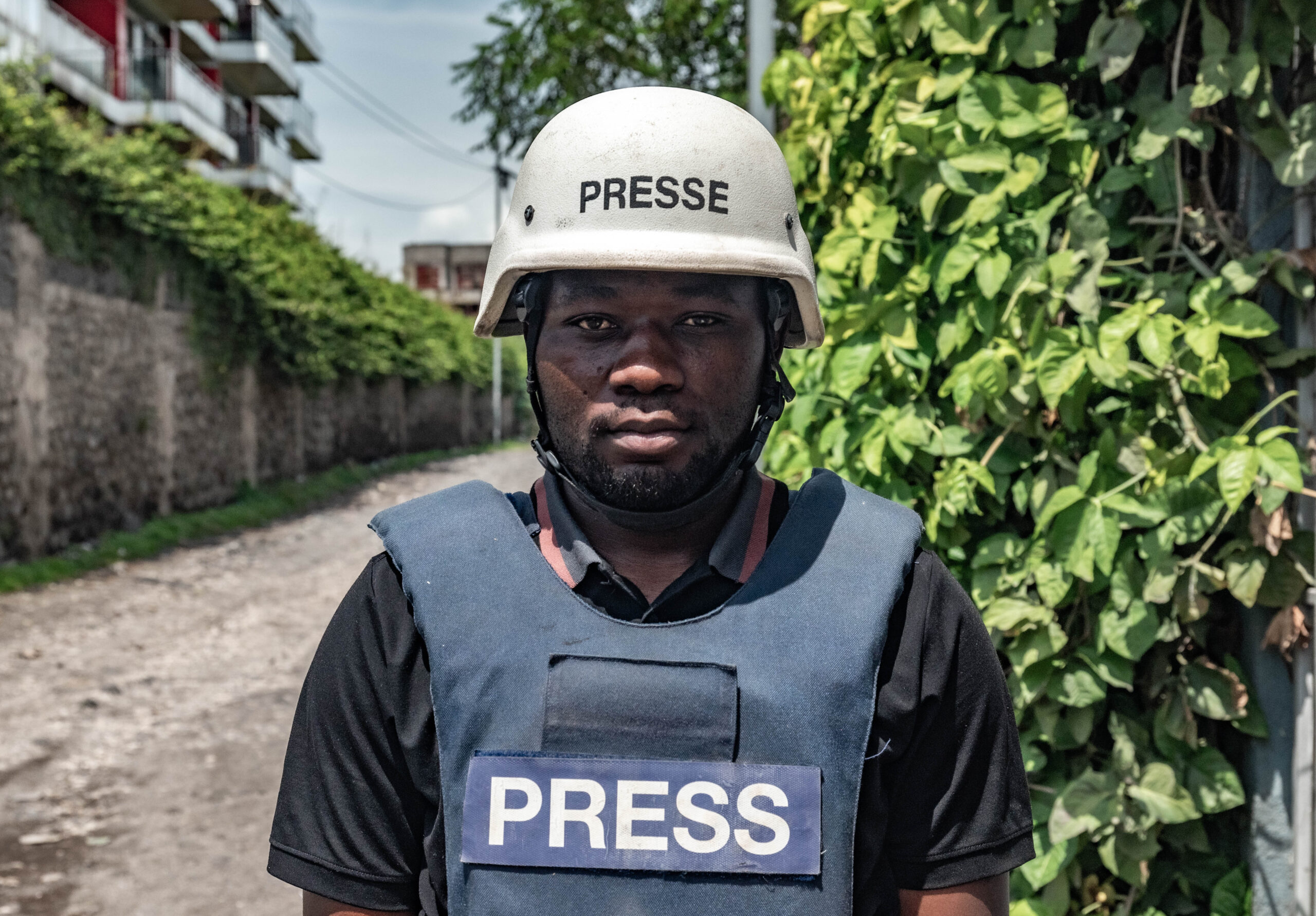
Anicet Kimonyo is a Congolese journalist and war reporter based in the East of the Democratic Republic of Congo in the city of Goma in the Province of North Kivu. Since the resurgence of conflicts in the region, he has been involved in media coverage of conflicts in the region and their consequences to the community. His work focuses on issues of democracy, peace and good governance in the region, environmental and climate issues and topics about mining.